

Introduction
Getting dressed often becomes difficult when an occasion sits somewhere between casual and formal. A simple T-shirt may feel too relaxed, while a structured blazer may feel too serious. This is exactly where the blazertje becomes useful. It gives an outfit shape, polish, and confidence without making it look stiff or overdone. In modern fashion, people want clothes that feel comfortable but still look smart, and the blazertje fits that need perfectly.
A blazertje is a lighter, softer, and more relaxed version of a blazer. It works for work, casual days, dinners, travel, and everyday styling. Its popularity has grown because wardrobes are becoming more practical, flexible, and easy to mix. This guide explains what a blazertje is, how it differs from a traditional blazer, which fabrics matter, how it should fit, how to style it, how to buy the right one, and how to care for it properly.
What Is a Blazertje?
A blazertje is a small, light, or softer blazer designed for easy everyday wear. The word comes from Dutch, where the suffix “-tje” makes a word sound smaller or more approachable. So, while “blazer” refers to the classic tailored jacket, “blazertje” suggests something lighter, friendlier, and less formal. It keeps the smart appearance of a blazer but removes much of the stiffness.
The main idea behind a blazertje is comfort with polish. It usually has lightweight construction, soft shoulders, minimal padding, and a relaxed or semi-tailored fit. It can be worn over a T-shirt, blouse, knit top, dress, or shirt. A good blazertje sits between a cardigan and a formal blazer. It feels easy like a cardigan, but looks sharper and more complete.
Blazertje vs Traditional Blazer: Key Differences
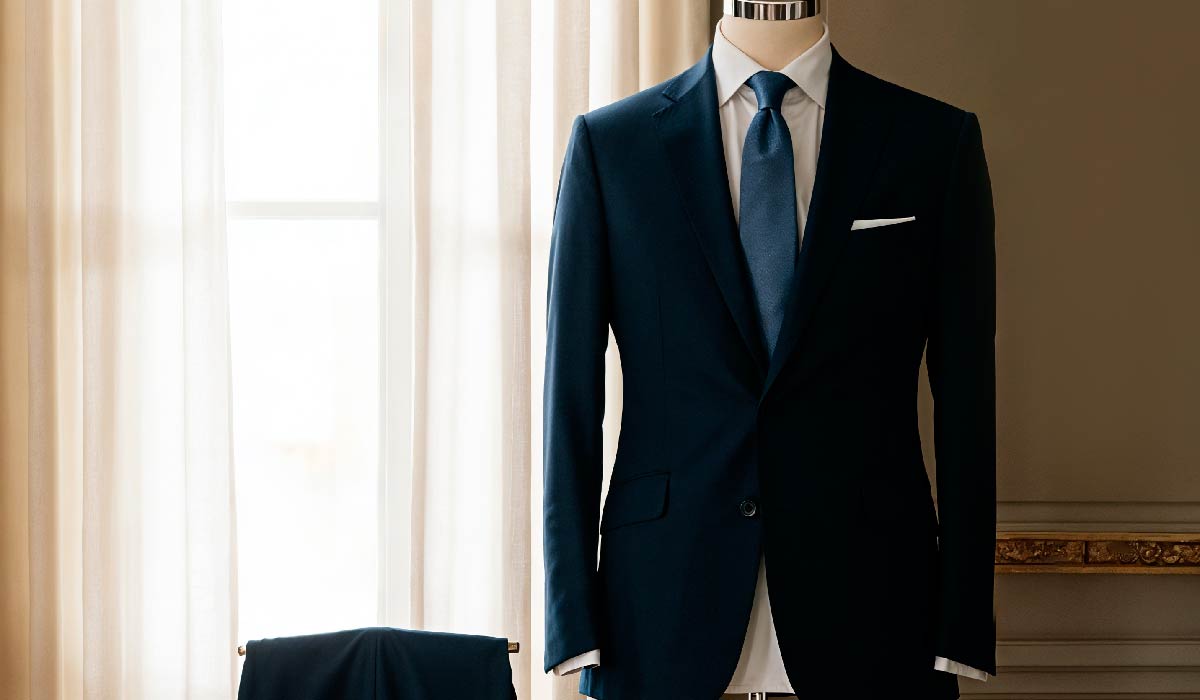
A traditional blazer is usually more structured, formal, and defined. It often has stronger shoulder padding, heavier fabric, sharper lapels, and a more tailored shape. It is commonly worn in business, formal, or dressier settings. A blazertje, on the other hand, is softer, lighter, and more flexible. It is made for real daily use rather than only for formal occasions.
The biggest difference is how each one feels and functions. A blazer can sometimes make an outfit look serious, while a blazertje makes it look relaxed but still put together. A blazer is formal and structured. A blazertje is flexible and everyday. This makes the blazertje easier to style with jeans, dresses, sneakers, loafers, trousers, and casual basics without looking out of place.
The Evolution of the Blazertje
The blazertje comes from the long history of the blazer, which began as a tailored jacket linked to clubs, uniforms, and formal menswear. Over time, the blazer moved into business clothing, women’s fashion, and smart casual dressing. As lifestyles changed, people started looking for jackets that were less rigid and more comfortable, especially for daily wear.
In recent years, fashion has moved toward casual tailoring. Hybrid work, capsule wardrobes, travel-friendly clothing, and gender-neutral styling have all helped the blazertje become more important. People no longer want clothes that only work in one setting. They want pieces that can move from office to dinner, from home to meeting, and from casual to polished. The blazertje answers that need with ease.
Why the Blazertje Is a Wardrobe Essential
The blazertje is valuable because it solves many wardrobe problems at once. It can make simple jeans look sharper, soften a dressy outfit, or give structure to a basic top. It works across seasons and can be layered in many ways. For people who want fewer but better clothing pieces, it is one of the most useful items to own.
Its biggest strength is effortless polish. You can throw it over a plain outfit and instantly look more intentional. It saves time, reduces the need for many different jackets, and offers strong cost-per-wear value. A well-chosen blazertje can be worn again and again without feeling repetitive because it adapts to many outfits and occasions.
Types and Styles of Blazertjes
Blazertjes come in different shapes, and each style creates a different mood. A classic fitted blazertje gives a clean and polished look without being too formal. It works well for offices, meetings, dinners, and everyday outfits. An oversized blazertje feels relaxed and modern. It looks good with slim trousers, straight jeans, fitted tops, or dresses.
A cropped blazertje ends near the waist and works beautifully with high-rise jeans, skirts, and dresses. It can make the legs look longer, and the outfit feel more balanced. A double-breasted blazertje adds more structure and elegance while still feeling modern if the fabric is soft. A knit or jersey blazertje feels almost like a cardigan but looks neater, making it ideal for travel, remote work, and casual days.
Fabrics and Materials: What to Look For
Fabric is one of the most important parts of a good blazertje. The right fabric affects comfort, shape, durability, and how the jacket moves. Wool, especially tropical wool or light flannel, is a strong choice because it breathes well and keeps its shape. Linen is excellent for warm weather because it feels airy and relaxed, though it can wrinkle more easily.
Cotton twill gives a crisp but casual look, while tweed adds texture and warmth for cooler seasons. Knit and ponte fabrics are comfortable, stretchy, and easy to wear for long hours. Technical blends can be useful for travel because they often resist wrinkles and allow better movement. For spring and summer, lighter fabrics work best. For fall and winter, tweed, flannel, ponte, and lined wool blends are better choices.
How to Identify a High-Quality Blazertje
A well-made blazertje should feel solid and well-constructed, but still light and comfortable to wear. If the fabric feels too thin, stiff, or flimsy, it may lose shape quickly. The lining should sit smoothly inside the jacket without bunching or pulling. Some blazertjes are unlined by design, but the inside seams should still look neat and finished.
The shoulders are very important. The seam should sit close to the edge of your shoulder unless the design is intentionally oversized. Buttons should feel solid and be firmly attached. Buttonholes should be clean, even, and tightly stitched. The lapels should lie flat and roll naturally. A good movement test also helps. Raise your arms, sit down, and reach forward. If the jacket pulls, gaps, or feels restrictive, it is not the right one.
Fit Guide: How a Blazertje Should Fit
A blazertje should feel comfortable while giving your outfit shape. The shoulder fit matters most because it is difficult to fix later. The shoulder seam should sit naturally, and the jacket should not create pulling lines across the chest. When buttoned, it should close without tightness or an “X” shape around the button.
Sleeves usually look best when they end near the wrist bone. The length depends on your style and body shape. A cropped blazertje works well with high-rise bottoms, while a mid-hip length is the most versatile. Petite people may prefer shorter cuts, while taller people can carry longer styles. Curvy bodies often look great with soft waist shaping. Broad shoulders usually benefit from minimal padding, and straight body shapes can use belts or tailored cuts to create shape. Tailoring can make a good blazertje look perfect.
How to Style a Blazertje
The best way to style a blazertje is to think about balance. Since it adds structure, pair it with pieces that either soften or complement that structure. A blazertje with a T-shirt and jeans creates an easy, casual look. A blazertje over a dress adds polish without making the outfit too formal. With tailored trousers, it can look professional and clean.
Texture also matters. A wool blazertje can look great with denim, ribbed knits, cotton shirts, or satin dresses. Monochrome outfits are another simple styling method. Wearing similar shades together makes the whole look appear more expensive and calm. Layering is also useful. A blazertje over a thin sweater, blouse, or fitted top can create depth without looking bulky.
Styling a Blazertje for Different Occasions
For work, a blazertje can be worn with tailored trousers, a button-down shirt, or a simple blouse. It gives authority without feeling too strict. For casual outfits, it works well with jeans, sneakers, loafers, and plain tops. This is one of the easiest ways to look polished without trying too hard.
For evening events, choose richer fabrics like velvet, satin, tweed, or bouclé. Wear the blazertje over a dress, dark denim, or a sleek top for a refined look. For travel, choose wrinkle-resistant fabrics such as ponte, tropical wool, or technical blends. A travel-friendly blazertje can keep you comfortable while still looking neat after hours of movement. The main idea is simple: one piece can serve many purposes.
Blazertje Trends in 2025–2026
The blazertje continues to grow because fashion is moving toward softer tailoring. Instead of sharp, heavy jackets, people are choosing relaxed shapes, natural shoulders, and comfortable fabrics. Oversized fits remain popular, but cropped styles are also strong because they pair well with high-rise trousers, skirts, and dresses.
Feminine details are also becoming more visible. Pastel colors, soft draped lapels, tweed textures, satin finishes, organza accents, and belted waists all bring freshness to the blazertje. However, the best trend is still wearability. A stylish blazertje should not only look current but also remain useful for years. The smartest choice is a design that feels modern without being too extreme.
How to Choose the Right Blazertje
Choosing the right blazertje starts with fit. If the shoulders, chest, and sleeves are wrong, even expensive fabric will not save the look. After fit, focus on fabric. Choose material based on your climate, lifestyle, and how often you plan to wear it. A wool or cotton blend works well for regular use, while linen is better for summer and ponte is better for comfort.
Color is also important. Neutral shades like black, navy, charcoal, beige, camel, and cream are easiest to style. If you already own basics, you can try checks, tweed, pastels, or deeper tones like brown and forest green. Before buying, ask yourself whether it works with clothes you already own. A good blazertje should create many outfits, not require a completely new wardrobe.
Care and Maintenance Tips
A blazertje lasts longer when it is cared for properly. After wearing it, hang it on a wide hanger so the shoulders keep their shape. Brushing the fabric lightly can remove dust and surface dirt. Steaming is usually better than frequent washing because it relaxes wrinkles and refreshes the fabric without damaging it.
Dry cleaning should be limited unless the care label requires it or the jacket has a serious stain. Too much dry cleaning can weaken fabric and affect the structure over time. Store your blazertje in a breathable garment cover if you do not wear it often. Avoid overcrowding your closet because pressure can crush the shoulders and lapels. Good care keeps the jacket looking fresh for years.
Sustainability and Smart Buying
A blazertje can be a sustainable wardrobe choice when it is made well and worn often. Instead of buying many low-quality jackets, it is better to buy one strong piece that works across different outfits. This is where cost per wear becomes important. A jacket worn many times over several years becomes more valuable than a cheaper one that loses shape quickly.
Natural fabrics such as wool, cotton, and linen are often strong choices when sourced responsibly. Certifications like RWS for wool and GOTS for cotton can be useful signs of better production standards. Secondhand and vintage blazertjes are also smart options because older tailoring can have excellent fabric and construction. A small alteration can turn a vintage piece into something that feels modern and personal.
Common Mistakes to Avoid
One common mistake is buying a blazertje only because it is trendy. If the fit, fabric, or color does not work for your lifestyle, it will stay unworn. Another mistake is ignoring shoulder fit. Shoulders are one of the hardest areas to alter, so they should be right from the start. Cheap fabric is another problem because it can wrinkle badly, lose shape, or look tired after a few wears.
Many people also forget to test movement. A blazertje should look good while standing, but it should also feel comfortable when sitting, walking, reaching, or working. Another mistake is choosing a style that only works for one outfit. The best blazertje should fit into your existing wardrobe and make dressing easier, not more complicated.
Why the Blazertje Is More Than a Trend
The blazertje is more than a passing fashion item because it solves a real dressing problem. Modern life requires clothes that can shift between work, social plans, travel, and casual moments. A traditional blazer may feel too formal, and a cardigan may feel too relaxed. The blazertje offers the middle ground.
It also reflects how people dress now. Comfort matters, but so does looking presentable. Personal style matters, but so does practicality. The blazertje supports all of these needs. It can be minimal, bold, feminine, masculine, classic, or creative, depending on how it is styled. That flexibility is why it continues to remain relevant beyond seasonal trends.
Conclusion
The blazertje is one of the most useful pieces in a modern wardrobe. It brings together comfort, structure, and everyday elegance in a way few garments can. It can make casual clothes look smarter, make formal outfits feel softer, and help you feel dressed without feeling overdressed.
The best blazertje is one that fits well, feels comfortable, and works with many pieces you already own. Focus on quality fabric, clean construction, good shoulder fit, and timeless color. With proper care, it can last for years and serve you through many occasions. A blazertje is not just a little blazer. It is a simple, powerful layer that makes getting dressed easier, smarter, and more confident.
