

Introduction
The Pomerusky dog has become one of the most searched hybrid breeds in 2026, and its popularity continues to grow across the United States, United Kingdom, and Canada. Much of this attention comes from social media, where videos of this mini Husky dog playing, howling, and running have captured millions of views. The Pomsky breed, often used interchangeably with Pomerusky, fits perfectly into modern lifestyles because it offers the beauty of a Husky in a compact size suitable for apartments and smaller homes. As the designer dog trend continues to expand, more families are looking for hybrids that combine intelligence, charm, and manageable size. Interest in hybrid breeds has increased because owners want dogs that are unique, expressive, and adaptable to city living. The Pomerusky stands out due to its wolf-like face, bright eyes, and energetic yet affectionate personality. In this detailed guide, you will learn everything about the Pomerusky, including its history, size, temperament, health, grooming, costs, and whether it is the right companion for you.
What Is a Pomerusky?
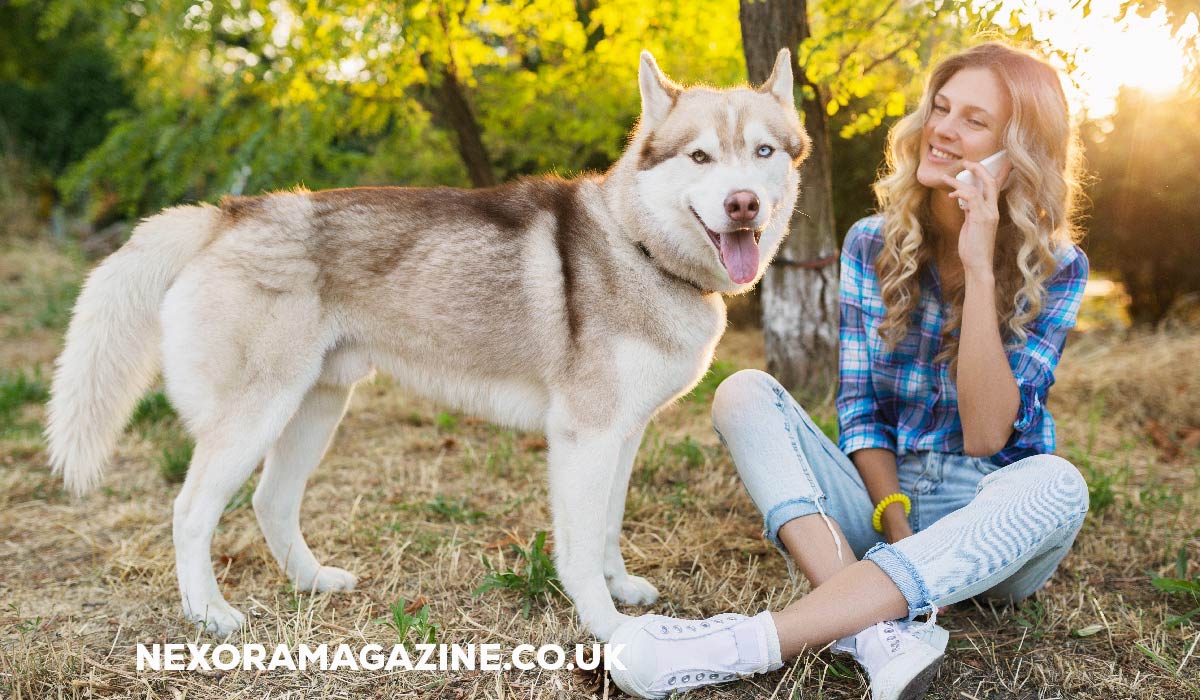
Pomerusky is a hybrid dog breed created by mixing a Pomeranian and a Siberian Husky, combining the small size of the Pomeranian with the striking features of a Husky. Also known as a Pomsky, this popular designer dog is admired for its mini Husky appearance, fluffy coat, and energetic personality. A Pomerusky is a small-to-medium companion dog that blends Husky beauty with Pomeranian charm in one unique breed.
History and Origin of the Pomerusky
The Pomerusky origin is closely connected to the growing trend of hybrid dog breeding, where breeders intentionally combine two different purebred dogs to create a new designer mix. The purpose behind mixing a Siberian Husky with a Pomeranian was to create a dog that had the stunning appearance of a Husky but in a smaller, more manageable size. Because of the large size difference between the parent breeds, artificial insemination is typically used to ensure safe breeding. The Pomsky’s history began in the early 2010s when online discussions about “mini Huskies” started gaining attention, eventually leading breeders to experiment with this hybrid. In hybrid dog breeding, generations are labeled as F1, F2, and F3. An F1 Pomerusky is a first-generation cross between a Husky and a Pomeranian. F2 and F3 generations are created by breeding Pomskies together, which improves predictability in size and temperament. Size varies because genetics from both parents can express differently in each puppy, making every Pomerusky slightly unique.
Pomerusky Size and Growth Expectations
Many people ask, how big does a Pomerusky get? The Pomerusky full grown size typically ranges between 7 and 30 pounds, with a height of approximately 10 to 15 inches at the shoulder. There are generally three size categories: Toy Pomerusky, Mini Pomerusky, and Standard Pomerusky. Toy versions weigh under 15 pounds, Mini types range between 15 and 20 pounds, and Standard Pomeruskies may reach 25 to 30 pounds or slightly more. The Pomsky’s weight can vary depending on which parent’s genes are stronger. During puppy growth stages, the first six months are rapid, with steady development continuing until about 12 to 18 months. Male Pomeruskies are often slightly larger and heavier than females, although the difference is usually small. Because genetics are unpredictable in hybrids, no exact size guarantee can be provided, but reputable breeders can give an estimated adult weight based on parental size.
Pomerusky Appearance – Coat, Colors, and Eye Types
The Pomerusky appearance is one of the main reasons for its popularity. It has a thick double coat that protects it from cold weather and gives it a fluffy look. Coat types are generally classified as Standard, Plush, or Woolly. Standard coats resemble the Husky’s shorter fur, Plush coats are soft and slightly fuller, and Woolly coats are longer and require more grooming. Pomerusky colors vary widely and include black, white, gray, cream, red, and multi-colored combinations, often with Husky-style facial mask patterns. Eye color is another striking feature. A blue-eyed Pomsky is especially popular, but brown eyes are also common, and some dogs display heterochromia, meaning each eye has a different color. Because hybrid genetics are complex, every Pomerusky looks slightly different, which enhances its appeal and uniqueness.
Pomerusky Temperament and Personality
The Pomerusky personality is energetic, loyal, intelligent, and curious. From the Husky side, this dog inherits independence, alertness, and vocal tendencies, while from the Pomeranian side, it gains affection, loyalty, and attentiveness. This balance between independence and affection creates a Pomsky temperament that thrives with active owners who provide structure and attention. Many people ask, are Pomeruskies good pets? The answer is yes, provided they receive proper training and socialization. They bond strongly with their families and enjoy being part of daily activities. However, they can show a slight stubborn streak, especially if they inherit more Husky traits, which makes consistent leadership essential.
Is a Pomerusky Good for Families?
When considering if a Pomerusky is good for families, several factors come into play. This family-friendly dog breed generally gets along well with older children who understand how to treat pets gently. Supervision is important around very young children due to the dog’s small size. With early socialization, a Pomerusky can live peacefully with other dogs and even cats. As an apartment dog, Pomsky adapts well to smaller living spaces as long as daily exercise needs are met. First-time dog owners can successfully care for this breed if they commit to training and grooming responsibilities.
Exercise Needs and Daily Activity Requirements
Pomerusky exercise needs are moderate to high. This breed requires approximately 45 to 60 minutes of daily physical activity, including walks and playtime. The Pomsky activity level is influenced by its Husky heritage, meaning mental stimulation is equally important. Interactive games, puzzle toys, and obedience training help prevent boredom. Without enough activity, behavioral issues such as excessive barking or chewing may develop. Balancing outdoor play with indoor enrichment ensures a calm and satisfied companion.
Training a Pomerusky the Right Way
When asking, are Pomskies easy to train, the answer depends on the owner’s consistency. Pomerusky training tips emphasize positive reinforcement, short sessions, and clear commands. This Pomsky training guide encourages socialization from an early age to build confidence and reduce fearfulness. Crate training provides structure and a safe resting space. Because Huskies are known for vocalization, managing barking and howling through consistent correction and reward-based training is important. Consistency builds trust and reduces stubborn behavior.
Grooming and Shedding Guide
Do Pomeruskies shed? Yes, heavily. The thick double coat causes mini Husky shedding, particularly during seasonal coat blowouts. Pomsky grooming requires brushing three to five times weekly to manage loose fur and prevent matting. Shaving is not recommended because the double coat regulates temperature. Bathing every few weeks, along with regular nail trimming, ear cleaning, and dental care, supports overall health. Proper grooming prevents skin irritation and maintains coat quality.
Common Health Problems in Pomeruskies
Pomerusky health issues may include hip dysplasia, patellar luxation, eye disorders, dental crowding, and obesity. The Pomsky lifespan averages 12 to 15 years with proper care. Hybrid dog health problems can be minimized through genetic testing and preventive care. Regular veterinary checkups allow early detection of joint issues or vision problems. Maintaining a healthy weight significantly reduces strain on joints.
Diet and Nutrition for a Healthy Pomerusky
The best food for Pomerusky dogs includes high-quality protein sources and balanced nutrients. A Pomsky diet plan should include portion control to prevent obesity. Puppies require three small meals daily, while adults typically eat twice per day. Avoid fillers like corn and soy, and ensure constant access to fresh water. Understanding how much to feed a Pomsky depends on weight, age, and activity level. Treat moderation supports long-term health.
Pomerusky Price and Monthly Cost of Ownership
The Pomerusky price ranges from $1,000 to $3,500 or more, depending on breeder reputation and appearance traits. The Pomsky cost does not end at purchase. Monthly expenses include food, grooming, veterinary care, insurance, and training classes. Understanding how much does a Pomsky cost long term helps prepare for responsible ownership. Annual maintenance can exceed several thousand dollars.
How to Find a Responsible Breeder or Adoption Option
A responsible Pomerusky breeder provides health certificates, genetic testing proof, and transparent information about parent dogs. Avoid puppy mills and sellers who cannot provide documentation. Pomsky adoption is another option through rescue organizations. Ethical sourcing ensures healthier puppies and supports responsible dog breeding practices.
Pros and Cons of Owning a Pomerusky
Pros include a cute appearance, intelligence, loyalty, and adaptable size. Cons include heavy shedding, grooming maintenance, occasional stubborn behavior, and higher cost. A balanced understanding helps potential owners make informed decisions.
Pomerusky vs Pomsky – Is There a Difference?
The Pomerusky vs Pomsky difference is primarily in naming. Both refer to the same hybrid breed created from a Pomeranian and a Husky. The variation is often marketing-related rather than technical.
Who Should Own a Pomerusky?
Active individuals, families with time, and apartment dwellers who maintain routine exercise schedules are ideal owners. This breed is not suitable for people with extremely busy lifestyles. Lifestyle compatibility determines long-term success.
Final Verdict
The Pomerusky offers beauty, intelligence, and companionship in one compact package. However, it requires commitment, grooming, and consistent training. If you are prepared for the responsibility, this hybrid dog can provide long-term companionship and unconditional loyalty.
